UCR Research Explores Nematode-Derived Proteins as a New Frontier in Sustainable Crop Protection
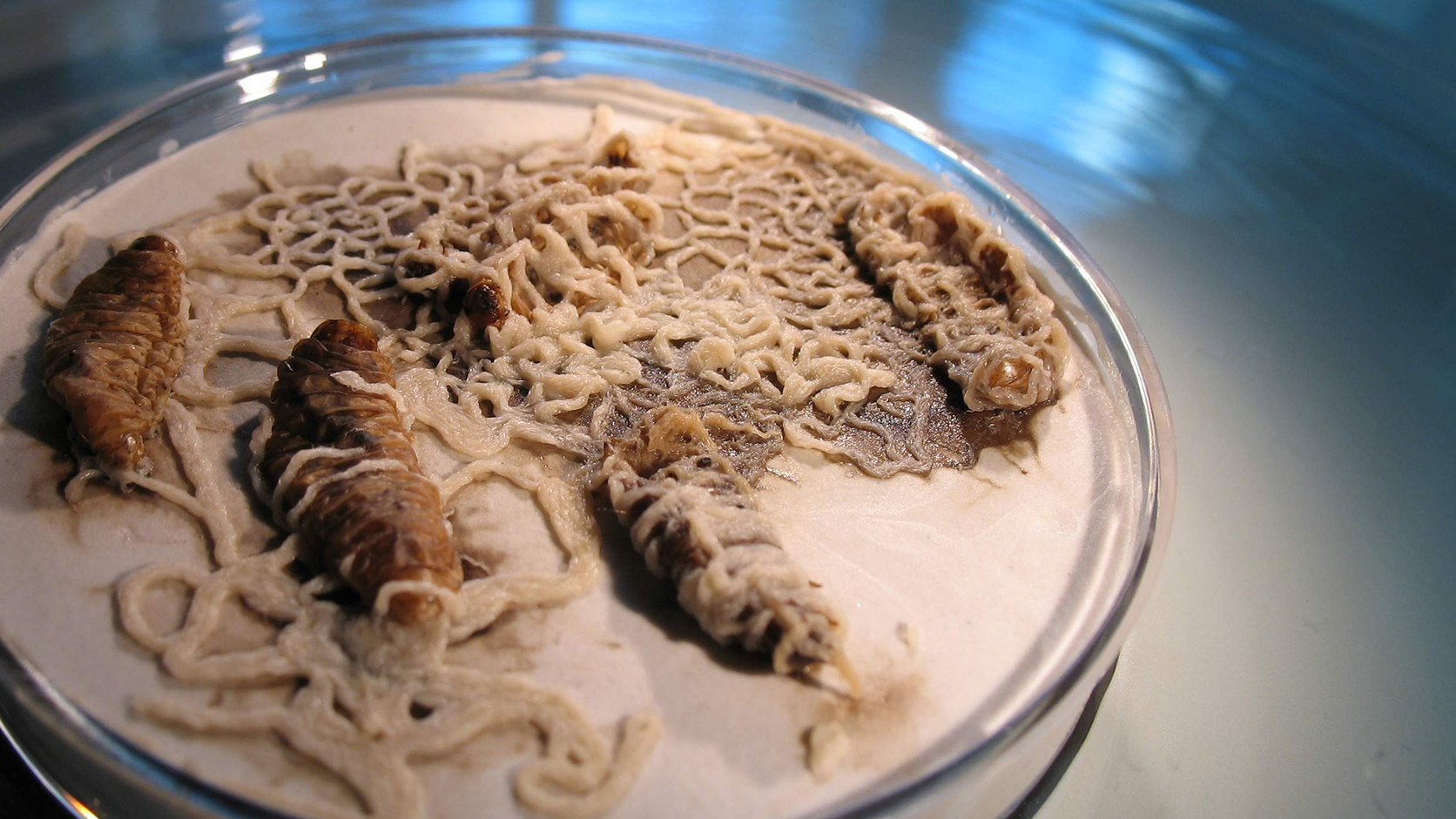
As global agriculture faces mounting challenges from destructive insect pests, evolving pesticide resistance, and the need for more sustainable farming practices, researchers at the University of California, Riverside (UCR) are turning to one of nature's oldest predator-prey relationships for inspiration. In the laboratory of Professor Adler Dillman, scientists are studying beneficial parasitic nematodes—microscopic worms that naturally infect and kill insect pests—to better understand the biological mechanisms that have made them effective for millions of years. By investigating the insecticidal molecules these organisms have evolved in nature, the research could help expand the future toolbox of sustainable crop protection technologies. The work is one of many examples of UCR's growing portfolio of agricultural biotechnology innovations aimed at improving food security, supporting sustainable agriculture, and creating new opportunities for industry partnerships.
Learning from Nature's Pest Control System
Beneficial nematodes have been used in agriculture since the 1960s as a form of biological pest control. These naturally occurring organisms seek out harmful insects in the soil, infect them, and eliminate them without relying on synthetic chemical pesticides. They have proven particularly useful for managing certain soil-dwelling agricultural pests.
While effective in many settings, living nematodes also present practical limitations. They must remain alive during storage and application, are sensitive to environmental conditions, and are generally most effective below the soil surface. These challenges have limited their widespread adoption across large-scale agricultural production systems.
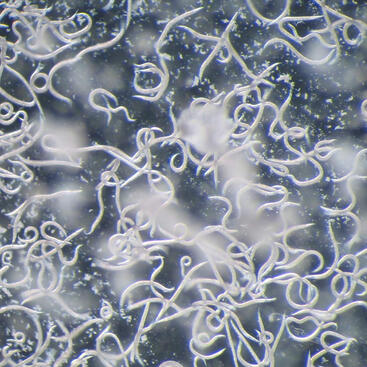
Rather than focusing solely on deploying the nematodes themselves, Dillman's laboratory is exploring a more fundamental question: what can scientists learn from the biological tools these organisms have evolved over millions of years?
"These organisms have spent millions of years evolving highly specialized ways to kill insect pests," said Dillman. "Mother Nature has already done the research and development. Our goal is to understand how these natural systems work and determine whether they can help us develop new approaches to protecting crops."
From Curiosity-Driven Science to Agricultural Innovation
Dillman's interest in parasitic nematodes began during his undergraduate research experience, where he became fascinated by the intricate relationships between insects, parasites, and the microscopic organisms that inhabit the soil.
What began as curiosity-driven research has grown into a laboratory focused on uncovering new biological strategies for protecting crops. Today, the team studies how insect-parasitic nematodes interact with their hosts and investigates the naturally occurring insecticidal molecules involved in those interactions.
The goal is not simply to understand these remarkable organisms, but to discover new biological approaches that could complement existing crop protection technologies and help agriculture respond to emerging pest challenges.

Expanding the Future of Crop Protection
For decades, agriculture has benefited from biological innovations such as Bt proteins, naturally occurring insecticidal proteins derived from the bacterium Bacillus thuringiensis. These technologies have significantly reduced insecticide use while protecting crops from destructive pests around the world.
However, as with antibiotics and many other biological control methods, some insect populations have evolved resistance over time. Researchers around the world continue searching for additional biological solutions that can provide growers with new tools for managing insect pests.
Dillman's laboratory believes nature still has much to teach us.
Rather than engineering entirely new solutions from scratch, the team is exploring whether naturally occurring insecticidal molecules found in beneficial nematodes could one day inspire future crop protection technologies. The laboratory is currently investigating one promising example that may have agricultural applications, while continuing to explore numerous additional biological pathways for sustainable pest management.
Although this research is still ongoing, it reflects the tremendous potential of studying nature's own innovations to address some of agriculture's biggest challenges.
Building UCR's Agricultural Innovation Portfolio
Dillman's research is part of a broader portfolio of agricultural innovations emerging from UCR, where researchers are developing technologies that address crop resilience, food security, sustainability, and environmental stewardship.
Through the Office of Technology Partnerships, UCR works to protect intellectual property, advance technology commercialization, and connect promising discoveries with industry partners capable of translating research into real-world agricultural solutions. Click here to explore UCR's portfolio of available technologies and licensing opportunities.
As additional discoveries continue to emerge from the Dillman laboratory, UCR is positioning itself at the forefront of biological crop protection research and agricultural biotechnology. Future scientific publications will provide deeper insight into this growing area of research, while continuing to demonstrate how curiosity-driven science can lead to innovations with meaningful commercial and societal impact.
To learn more about Professor Adler Dillman's research, visit the Dillman Laboratory at dillmanlab.org.
Technology Available for Licensing
Dr. Dillman's technology is currently available for licensing through UC Riverside's Office of Technology Partnerships. For more information, please click here.
Organizations and/or entrepreneurs interested in exploring licensing opportunities, sponsored research collaborations, co-development partnerships, or additional technical information are encouraged to contact Rekha Chawla.
Contact:
Rekha Chawla
Licensing Officer
Email: otc@ucr.edu
Interested in staying informed about new technologies, funding opportunities, startup programs, and innovation initiatives? Subscribe to the Office of Technology Partnerships newsletter to receive the latest updates from UCR's Innovation & Entrepreneurship ecosystem.